
Biodiversity Supported by Small Urban Parks
The loss of biodiversity is internationally recognized as a global crisis, ranking among the top long-term risks in the World Economic Forum's “Global Risks Report 2025.” One cause often cited is the expansion of urbanization. Urbanization is thought to reduce biodiversity by causing environmental changes such as rising temperatures (heat island effect), chemical pollution, and habitat shrinkage and fragmentation.
On the other hand, urban areas contain green spaces of varying sizes, such as vacant lots, roadside vegetation strips, riverbanks, and parks. These spaces are home to organisms adapted to the urban environment, including species of conservation concern. However, the role that such accessible green spaces, particularly small-scale ones, play in conservation of urban biodiversity remains poorly understood. For example, Niigata City has over 1,300 small parks with areas of one hectare or less, accounting for approximately 15% of the city's total green space, yet the diversity of organisms inhabiting these areas has not been fully understood.
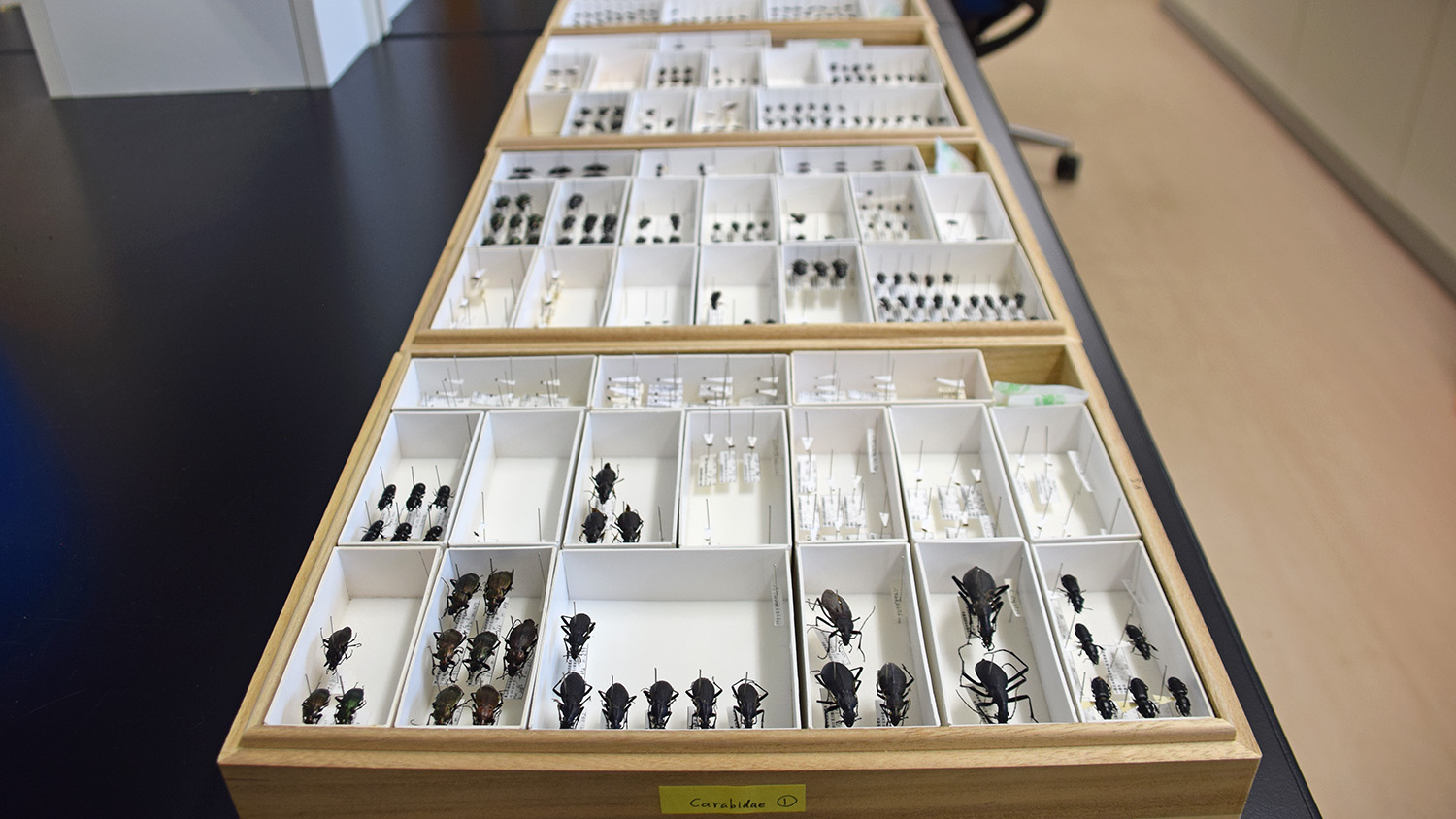
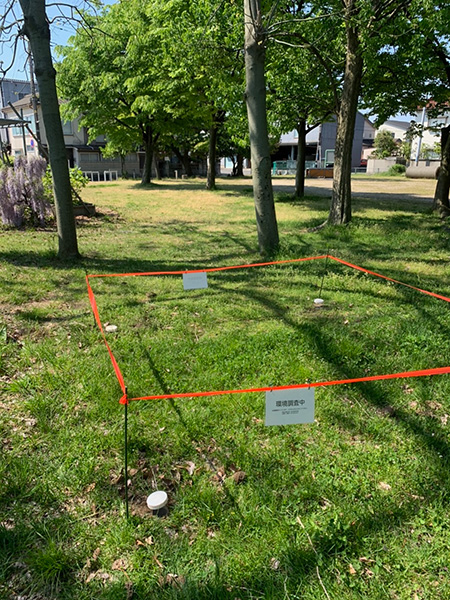
Our research group surveyed biodiversity in 32 small urban parks within Niigata City. The survey, focusing on ground-dwelling arthropods, identified 64 species of ground beetles, 70 species of spiders, and 23 species of ants, revealing that parks unexpectedly support rich species diversity. Analysis of the relationship between biodiversity and urbanization revealed a tendency for parks with higher surrounding urbanization levels (area ratio of buildings and paved surfaces) to have fewer species of ground beetles, suggesting that habitat fragmentation due to urbanization may have reduced diversity. Furthermore, examining the influence of environmental conditions within the parks showed that soil moisture, the accumulation of fallen leaves and other debris, and the paving rate around the park periphery all affect diversity. Therefore, effective management strategies for conserving arthropods in parks appear to include maintaining open environments through regular mowing, leaving fallen leaves and debris (even partially) within the park, and reducing pavement coverage around the park's periphery.
Research findings suggest that small urban parks not only provide citizens with places to relax but also play a vital role in biodiversity conservation, making them an indispensable element in urban planning. When strolling through your local park, I encourage you to take a moment to notice the creatures these small green spaces support.
Profile

KOJI Shinsaku
Ph.D. (Science). Specializes in ecology. Conducts research in various parts of Niigata Prefecture and western Kenya on the impacts of environmental changes on insect biodiversity caused by human activities such as agriculture, forestry, and urbanization. Also engages in research concerning the management of agricultural pests.
*Article content and profile information are current as of October 2025.
Related Links
Tags (Keywords)
Publication
This article is also featured in Rikka, Niigata University’s quarterly public relations magazine, No.53.
Read other articles
-
 Faculty's Column (Early-Career) January 27, 2026
How Today’s Students Are Making Their College Years Count
TAKASAWA Yojiro Assistant Professor of the Faculty of Economic Sciences -
 Research (Rikka) November 28, 2025
Production of High‑Purity Hydrogen and Basic Chemicals via High-Efficiency Biomass Conversion
Li Liuyun Assistant Professor, Faculty of Engineering -
 Faculty's Column (Early-Career) November 27, 2025
Microparticles Show Mysterious Connections whthin the Body
OHKURA Naoto Senior Lecturer, Operative Dentistry and Endodontics, Niigata University Medical & Dental Hospital