
Elucidation of the mechanism of lipid metabolism regulation by autophagy.
May 17, 2019
A group including Visiting Professor Masaaki Komatsu, Niigata University Graduate School of Medical and Dental Sciences (Professor at Department of Physiology, Juntendo University Graduate School of Medicine) and Professor Takehiko Yokomizo, Department of Biochemistry, Juntendo University Graduate School of Medicine, elucidated the mechanism of induction of lipid oxidation (β-oxidation) by autophagy. Indeed, a nuclear receptor co-repressor 1 (NCoR1) that suppresses lipid oxidation depending on nutrient starvation, is degraded by autophagy. Furthermore, hepatic suppression of autophagy impairs the production of ketone bodies due to aberrant accumulation of NCoR1. These results will contribute not only to the discovery of novel physiological roles of autophagy but also to the prevention and treatment of lifestyle diseases typically represented by metabolic diseases.
These findings were published in Nature Communications (5 April 2019).
Publication Details
Title: Autophagy regulates lipid metabolism through selective turnover of NCoR1
Journal: Nature Communications
Authors: Tetsuya Saito, Akiko Kuma, Yuki Sugiura, Yoshinobu Ichimura, Miki Obata, Hiroshi Kitamura, Shujiro Okuda, Hyeon-Cheol Lee, Kazutaka Ikeda, Yumi Kanegae, Izumu Saito, Johan Auwerx, Hozumi Motohashi, Makoto Suematsu, Tomoyoshi Soga, Takehiko Yokomizo, Satoshi Waguri, Noboru Mizushima, and Masaaki Komatsu
DOI: 10.1038/s41467-019-08829-3
More News
-
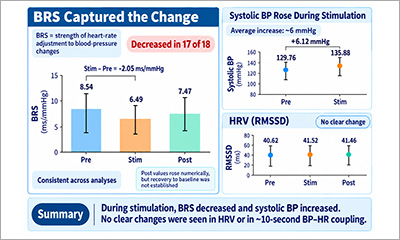
A New Clue for Assessing the Body’s Response to Mild Electrical Stimulation of the Ear: Changes in Heart Rate Regulation Observed in 17 of 18 Participants
Research results
-
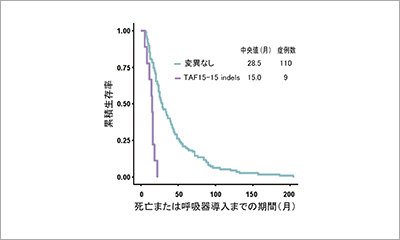
Insertion or deletion variants in TAF15 exon 15 are genetic factors impacting the prognosis of amyotrophic lateral sclerosis in a Japanese cohort
Research results
-
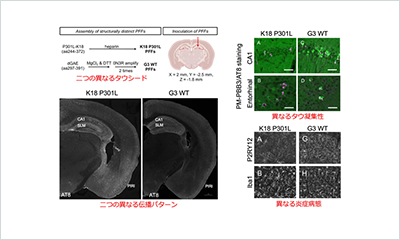
Distinct recombinant tau fibril conformations induce divergent propagation and neurodegenerative phenotypes in a model mouse
Research results
-
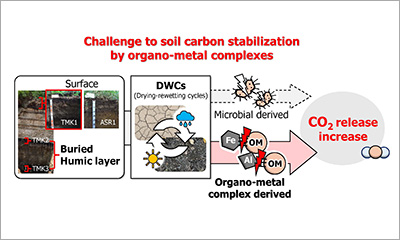
Metal-organic interactions identified as a key factor in carbon cycling, improving predictions under climate change
Research results