
New Mechanisms of Aggravating Periodontitis Discovered: Could Lead to Developing Novel Periodontitis Treatment
May 26, 2022
The research group led by Assistant Professor HIYOSHI Takumi, Associate Professor DOMON Hisanori and Professor TERAO Yutaka of the Graduate School of Medical and Dental Sciences (Dentistry), Niigata University discovered the mechanisms that proteolytic enzymes, known to increase in the periodontal tissue, aggravate periodontitis. Furthermore, the group revealed that proteolytic enzymes inhibitor has potential as a therapeutic strategy for the treatment of periodontitis. The research results were published in Scientific Reports on May 17, 2022.
Research results
- In periodontitis, a large number of neutrophils (immune cells) infiltrate the gingival tissue.
- Subsequently, neutrophil elastase, a proteolytic enzyme, increase in periodontal tissue.
- Neutrophil elastase aggravates periodontitis by disrupting the gingival epithelial barrier by cleaving cell adhesion molecules.
- The application of neutrophil elastase inhibitor suppressed alveolar bone loss in the murine model of periodontitis.
- The research result may lead to new periodontitis treatment targeting neutrophil elastase.
Publication Details
Journal: Scientific Reports
Title: Neutrophil elastase aggravates periodontitis by disrupting gingival epithelial barrier via cleaving cell adhesion molecules
Authors: Takumi Hiyoshi, Hisanori Domon, Tomoki Maekawa, Hikaru Tamura, Toshihito Isono, Satoru Hirayama, Karin Sasagawa, Fumio Takizawa, Koichi Tabeta, Yutaka Terao
DOI: 10.1038/s41598-022-12358-3
More News
-
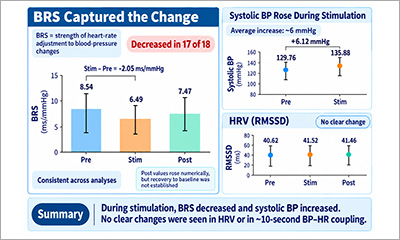
A New Clue for Assessing the Body’s Response to Mild Electrical Stimulation of the Ear: Changes in Heart Rate Regulation Observed in 17 of 18 Participants
Research results
-
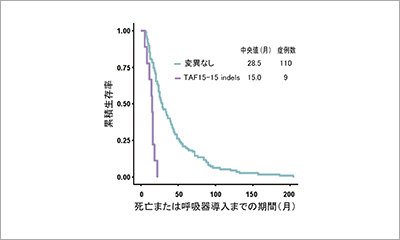
Insertion or deletion variants in TAF15 exon 15 are genetic factors impacting the prognosis of amyotrophic lateral sclerosis in a Japanese cohort
Research results
-
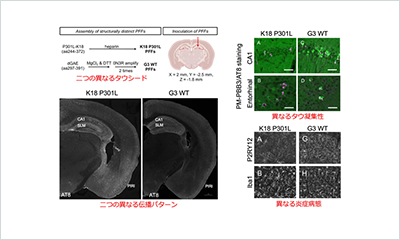
Distinct recombinant tau fibril conformations induce divergent propagation and neurodegenerative phenotypes in a model mouse
Research results
-
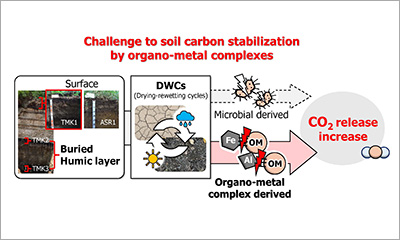
Metal-organic interactions identified as a key factor in carbon cycling, improving predictions under climate change
Research results