
Discovery of a New Action of Macrolide Drugs: Suppresses Proinflammatory Components Released by Streptococcus pneumoniae
May 23, 2023
A research group led by Associate Professor DOMON Hisanori and Professor TERAO Yutaka of the Division of Microbiology and Infectious Diseases, Graduate School of Medical and Dental Sciences, Niigata University discovered that azithromycin and erythromycin, macrolides drugs1, prevent exacerbation of inflammation by suppressing the production of inflammation inducers released by Streptococcus pneumoniae. The research was published in the online version of the US scientific journal Microbiology Spectrum on May 16, 2023.
Research results
- Streptococcus pneumoniae releases proinflammatory components such as peptidoglycan and lipoproteins, causing inflammation in the body.
- This research discovered that macrolides suppress the production of these proinflammatory components .
- The research may lead to the development of a treatment for pneumonia that targets bacterial proinflammatory components.
[Glossary]
1. An antibacterial agent that suppresses protein synthesis in bacteria.
Publication Details
Journal: Microbiology Spectrum
Title: Macrolides decrease the proinflammatory activity of macrolide-resistant Streptococcus pneumoniae
Authors: Hisanori Domon, Satoru Hirayama, Toshihito Isono, Karin Sasagawa, Fumio Takizawa, Tomoki Maekawa, Katsunori Yanagihara, Yutaka Terao
doi: 10.1128/spectrum.00148-23
More News
-

Mapping Potential Conflict Zones Between Offshore Wind Development and Little Terns Across Japan: A New Spatial Screening Framework to Support Environmental Impact Assessment
Research results
-
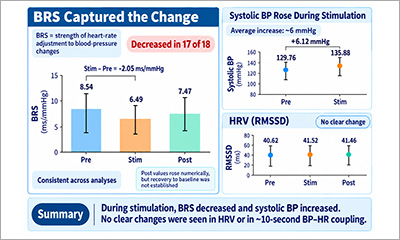
A New Clue for Assessing the Body’s Response to Mild Electrical Stimulation of the Ear: Changes in Heart Rate Regulation Observed in 17 of 18 Participants
Research results
-
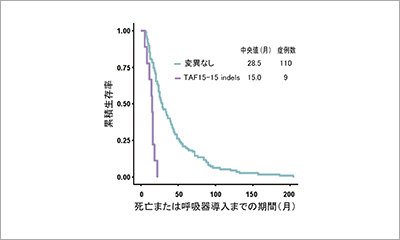
Insertion or deletion variants in TAF15 exon 15 are genetic factors impacting the prognosis of amyotrophic lateral sclerosis in a Japanese cohort
Research results
-
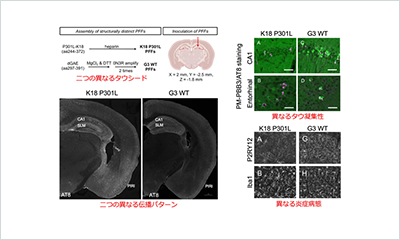
Distinct recombinant tau fibril conformations induce divergent propagation and neurodegenerative phenotypes in a model mouse
Research results