
Mysterious Interstellar Icy Objects-A New Site for Organic Molecule Formation?-
February 27, 2025
Abstract
Like snow forming in clouds on a freezing winter day, interstellar ices form in specific regions of the galaxy. Astronomers from Niigata University and The University of Tokyo (Japan) conducted molecular gas observations of two enigmatic interstellar objects using the Atacama Large Millimeter/submillimeter Array (ALMA) in Chile. These objects were previously discovered by the Japanese infrared satellite AKARI and are known to be rich in interstellar ices containing water and organic molecules, though their properties remained unclear. The ALMA observations have revealed the distance, motion, size, and chemical composition of the molecular gas associated with these objects. However, their characteristics do not match those of any previously known interstellar objects where ices have been detected. This study suggests that these two objects may represent a new class of interstellar icy objects that provide an environment conducive to the formation of ices and organic molecules. The findings were published in The Astrophysical Journal on February 25, 2025.
Details of the Research
Mysterious Interstellar Icy Objects-A New Site for Organic Molecule Formation?-(PDF:0.5KB)
Publication Details
Journal: The Astrophysical Journal
Title: ALMA Observations of Peculiar Embedded Icy Objects
Authors: Takashi Shimonishi, Takashi Onaka, Itsuki Sakon
Doi: 10.3847/1538-4357/ada4ad
News release
The article was released in EurekAlert, the online publication of the American Association for the Advancement of Science.
More News
-

Mapping Potential Conflict Zones Between Offshore Wind Development and Little Terns Across Japan: A New Spatial Screening Framework to Support Environmental Impact Assessment
Research results
-

A New Clue for Assessing the Body’s Response to Mild Electrical Stimulation of the Ear: Changes in Heart Rate Regulation Observed in 17 of 18 Participants
Research results
-
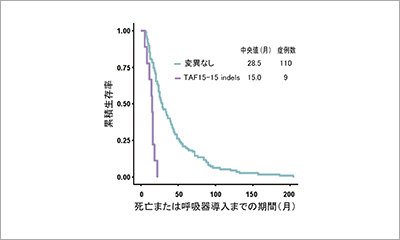
Insertion or deletion variants in TAF15 exon 15 are genetic factors impacting the prognosis of amyotrophic lateral sclerosis in a Japanese cohort
Research results
-
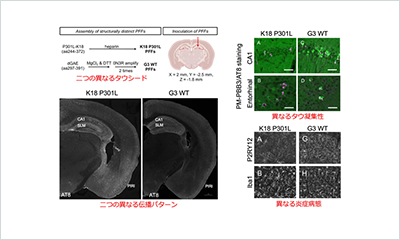
Distinct recombinant tau fibril conformations induce divergent propagation and neurodegenerative phenotypes in a model mouse
Research results