
A diagnostic marker of Stevens-Johnson syndrome / toxic epidermal necrolysis: Identification of galectin-7 by targeted proteomics
May 23, 2019
A team of researchers at Division of Dermatology, Niigata University Graduate School of Medical and Dental Sciences, led by Professor Riichiro Abe and Assistant Professor Natsumi Hama identified, in collaboration with researchers at Department of Dermatology of Hokkaido University and other institutions, galectin-7 as a new diagnostic marker of Stevens-Johnson syndrome and toxic epidermal necrolysis, both of which are severe drug eruptions. This is expected to help make an early diagnosis of these severe skin reactions possible, potentially promoting the understanding of the pathogenesis of severe drug eruptions that have remained unknown to date.
Publication Details
Title: Galectin-7 as a potential biomarker of Stevens–Johnson syndrome/ toxic epidermal necrolysis: Identification by targeted proteomics using causative drug-exposed peripheral blood cells
Journal: The Journal of Allergy and Clinical Immunology: In Practice
Authors: Natsumi Hama, Keiko Nishimura, Akito Hasegawa, Akihiko Yuki, Hideaki Kume, Jun Adachi, Manao Kinoshita, Youichi Ogawa, Saeko Nakajima, Takashi Nomura, Hideaki Watanabe, Yoshiko Mizukawa, Takeshi Tomonaga, Hiroshi Shimizu, Riichiro Abe
DOI: 10.1016/j.jaip.2019.05.002
More News
-
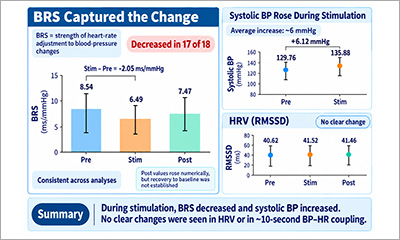
A New Clue for Assessing the Body’s Response to Mild Electrical Stimulation of the Ear: Changes in Heart Rate Regulation Observed in 17 of 18 Participants
Research results
-
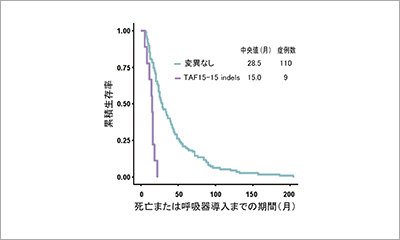
Insertion or deletion variants in TAF15 exon 15 are genetic factors impacting the prognosis of amyotrophic lateral sclerosis in a Japanese cohort
Research results
-
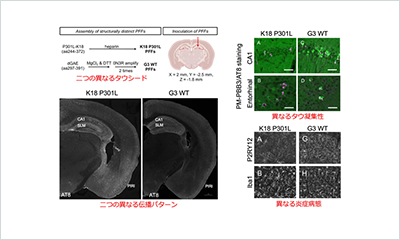
Distinct recombinant tau fibril conformations induce divergent propagation and neurodegenerative phenotypes in a model mouse
Research results
-
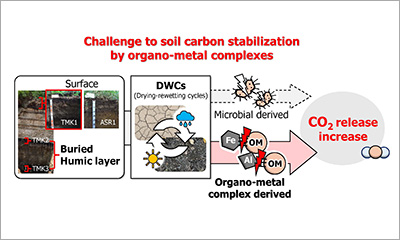
Metal-organic interactions identified as a key factor in carbon cycling, improving predictions under climate change
Research results