
Activity Control Mechanism of Plant Photosensor which Contributes to Plant Productivity
April 07, 2020
Professor Tatsuya Sakai and his research group in the Faculty of Science at Niigata University revealed how the photosensitivity of plant photosensor, phototropin1, is controlled in response to the light intensity. This discovery and additional research are expected to further our understanding of how plants grow while adapting to the environment. This may also lead to creating crops with good environmental adaptability and high yields. The research was published in the online version of “The Plant Cell” of the American Society of Plant Biologists on March 26, 2020 (JST).
Publication Details
Title: Arabidopsis ROOT PHOTOTROPISM2 Is a Light-Dependent Dynamic Modulator of Phototropin1
Journal: The Plant Cell
Authors: Taro Kimura, Tomoko Tsuchida-Mayama, Hirotatsu Imai, Koji Okajima, Kosuke Ito, Tatsuya Sakai
DOI: 10.1105/tpc.19.00926
More News
-

Mapping Potential Conflict Zones Between Offshore Wind Development and Little Terns Across Japan: A New Spatial Screening Framework to Support Environmental Impact Assessment
Research results
-
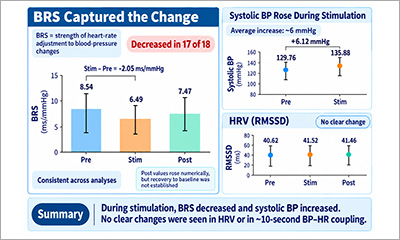
A New Clue for Assessing the Body’s Response to Mild Electrical Stimulation of the Ear: Changes in Heart Rate Regulation Observed in 17 of 18 Participants
Research results
-
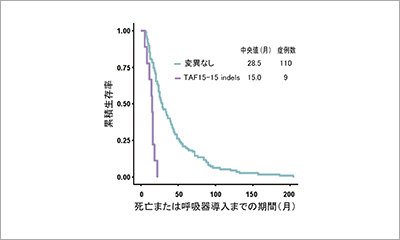
Insertion or deletion variants in TAF15 exon 15 are genetic factors impacting the prognosis of amyotrophic lateral sclerosis in a Japanese cohort
Research results
-
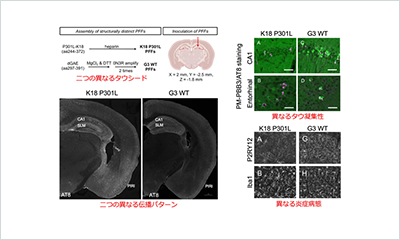
Distinct recombinant tau fibril conformations induce divergent propagation and neurodegenerative phenotypes in a model mouse
Research results