
Presenting images with augmented reality technology (AR) changes child behavior
April 27, 2020
The research group of Niigata University’s Associate Professor Nobu Shirai of the Faculty of Humanities, graduate student Lisa Kondo of the Graduate School of Modern Society and Culture and Associate Professor Tomoko Imura of the Faculty of Human and Social Studies at Japan Women’s University demonstrated for the first time through an experiment how visual AR information affects child behavior. The results demonstrated that a human-like character displayed by AR had a significant effect on child behavior, whereas the same AR character had no effect on adult behavior. This means that even AR information less affective to behaviors of adults will have some impacts on behaviors of children. The researchers said that the sensitivity to AR information may be differ among individuals in different ages, and that developing AR content tailored to the recipient age will be necessary. The research was published in Scientific Reports, an online academic journal of Springer Nature on April 22, 2020 (UK Standard Time).
Publication Details
Title: Effects of visual information presented by augmented reality on children’s behavior
Journal: Scientific Reports
Authors: Nobu Shirai, Lisa Kondo, Tomoko Imura
DOI: 10.1038/s41598-020-63820-z
More News
-

Mapping Potential Conflict Zones Between Offshore Wind Development and Little Terns Across Japan: A New Spatial Screening Framework to Support Environmental Impact Assessment
Research results
-
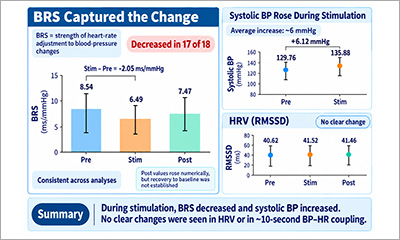
A New Clue for Assessing the Body’s Response to Mild Electrical Stimulation of the Ear: Changes in Heart Rate Regulation Observed in 17 of 18 Participants
Research results
-
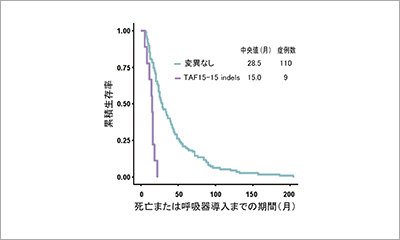
Insertion or deletion variants in TAF15 exon 15 are genetic factors impacting the prognosis of amyotrophic lateral sclerosis in a Japanese cohort
Research results
-
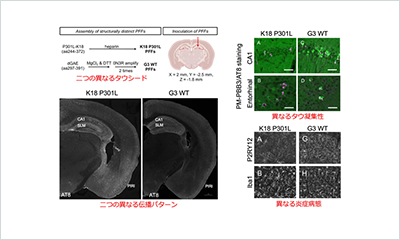
Distinct recombinant tau fibril conformations induce divergent propagation and neurodegenerative phenotypes in a model mouse
Research results