
Development of a novel chimeric antigen receptor–An artificial antenna allowing T lymphocytes to detect and attack various types of cancer and leukemia cells–
July 30, 2020
A chimeric antigen receptor (CAR) is an artificial cell receptor that can serve as an antenna based on the binding of monoclonal antibody with an antigen. Gene transduction in lymphocytes allows the targeting of cancer cells through recognition of the specific protein on the cell surface. The group led by Specially Appointed Assistant Professor Yasushi Kasahara and Associate Professor Chihaya Imai (also Hospital Professor) of the Department of Pediatrics, Niigata University Graduate School of Medical and Dental Sciences, succeeded in development of a novel type of CAR by modifying the gene encoding the original receptor in human natural killer cells.
Publication Details
Title: Development and characterisation of NKp44-based chimeric antigen receptors that confer T cells with NK cell-like specificity
Journal: Clinical & Translational Immunology
Authors: Yasushi Kasahara, Chansu Shin, Nobuhiro Kubo, Keichiro Mihara, Haruko Iwabuchi, Takayuki Takachi, Masaru Imamura, Akihiko Saitoh, and Chihaya Imai
DOI: 10.1002/cti2.1147
More News
-

Mapping Potential Conflict Zones Between Offshore Wind Development and Little Terns Across Japan: A New Spatial Screening Framework to Support Environmental Impact Assessment
Research results
-
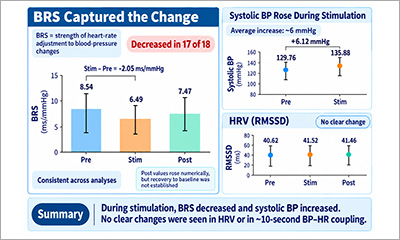
A New Clue for Assessing the Body’s Response to Mild Electrical Stimulation of the Ear: Changes in Heart Rate Regulation Observed in 17 of 18 Participants
Research results
-
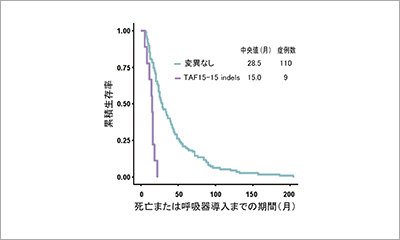
Insertion or deletion variants in TAF15 exon 15 are genetic factors impacting the prognosis of amyotrophic lateral sclerosis in a Japanese cohort
Research results
-
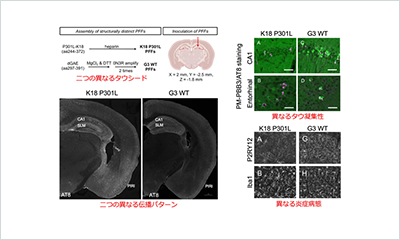
Distinct recombinant tau fibril conformations induce divergent propagation and neurodegenerative phenotypes in a model mouse
Research results