
Utilization of artificial intelligence (AI) to make professional decisions in life-threatening situations - Support for non-specialists in medical examinations
February 24, 2021
The research team of Specially Appointed Associate Professor Kazuya Fujihara and Professor Hirohito Sone of the Department of Hematology, Endocrinology and Metabolism, Niigata University Graduate School of Medical and Dental Sciences, developed an artificial intelligence (AI) system that can make more professional decisions than general physicians (non-specialists) in specific life-threatening medical situations through machine-learning of large-scale data on the treatments previously performed by specialists.
The results of the research were published in the international journal JMIR Medical Informatics on January 27, 2021.
Key results of the research
- This is the first study to demonstrate that AI can make more professional decisions than non-specialists in specific life-threatening situations.
Publication Details
Title: Machine Learning Approach to Decision Making for Insulin Initiation in Japanese Patients With Type 2 Diabetes (JDDM 58): Model Development and Validation Study
Journal: JMIR Medical Informatics
Authors: Kazuya Fujihara, Yasuhiro Matsubayashi, Mayuko Yamada-Harada, Masahiko Yamamoto, Toshihiro Iizuka, Kosuke Miyamura, Yoshinori Hasegawa, Hiroshi Maegawa, Satoru Kodama, Tatsuya Yanazaki, Hirohito Sone
DOI: 10.2196/22148
More News
-

Mapping Potential Conflict Zones Between Offshore Wind Development and Little Terns Across Japan: A New Spatial Screening Framework to Support Environmental Impact Assessment
Research results
-
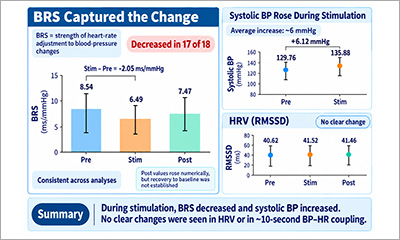
A New Clue for Assessing the Body’s Response to Mild Electrical Stimulation of the Ear: Changes in Heart Rate Regulation Observed in 17 of 18 Participants
Research results
-
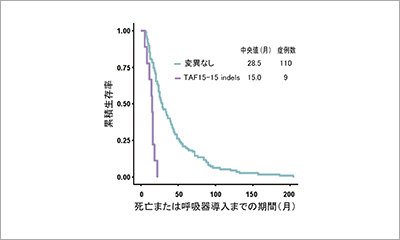
Insertion or deletion variants in TAF15 exon 15 are genetic factors impacting the prognosis of amyotrophic lateral sclerosis in a Japanese cohort
Research results
-
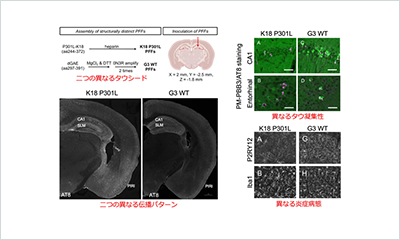
Distinct recombinant tau fibril conformations induce divergent propagation and neurodegenerative phenotypes in a model mouse
Research results