
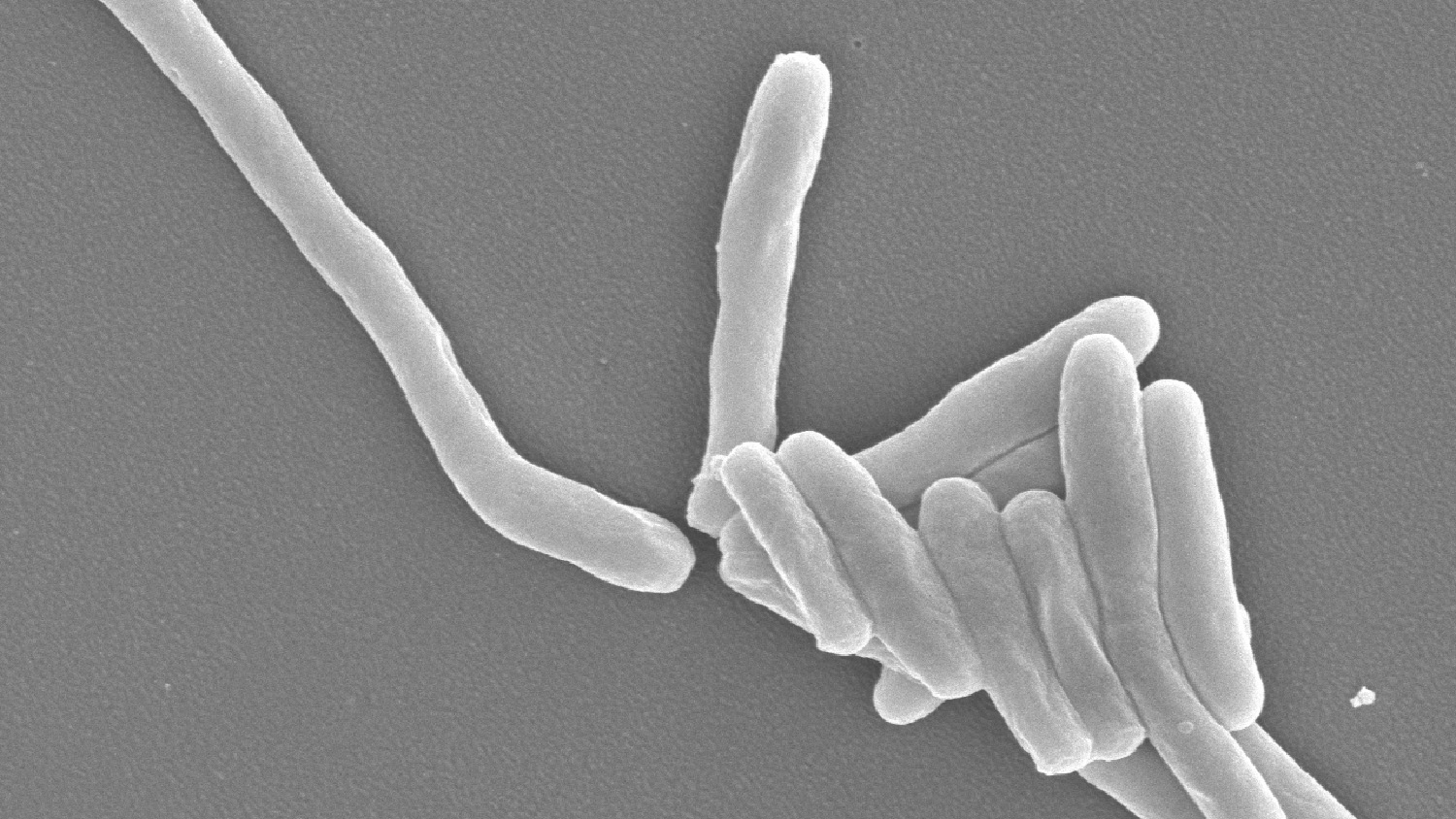
Mycobacterium Tuberculosis: Humanity’s Number 1 Killer both Past and Present
Throughout human history, tuberculosis has claimed the most lives. A staggering one billion people have fallen victim to it. It’s sobering to realize that so many of these individuals could have lived out their full lives had they not been infected with Mycobacterium tuberculosis. What about today? While the COVID-19 pandemic has shaken the world, the latest report from the WHO indicates that the number of deaths from tuberculosis exceeds those from COVID-19 and AIDS. While the COVID-19 pandemic has subsided, it could be said that the tuberculosis pandemic continues. Incidentally, the second-leading cause of death after Mycobacterium tuberculosis is the smallpox virus. However, smallpox was eradicated following the last reported case in Somalia. Tuberculous lesions have even been found in Egyptian mummies. Why has the problem of tuberculosis persisted for so long?
One of the main reasons is its “slow pace of life” and the “tenacity” that comes with it. In human society, there’s a saying that “the nail that sticks out gets hammered down,” but since the Mycobacterium tuberculosis moves slowly and is hardly noticeable on a day-to-day basis, it never gets hammered down. Yet in reality, it is quietly infecting about 2 billion people. If an infected person experiences a weakened immune system, the bacteria can begin to multiply, trigger the disease, and jump to the next host. It’s almost as if they’re waiting for the right moment. The smallpox virus was unable to do this. Once smallpox infected someone, it rapidly triggered the disease and became conspicuous, so ultimately, combined with the vaccine, it was eradicated. In contrast, SARS-CoV-2 can lie dormant for only a short time. HIV can remain dormant for a long time, which is why it’s such a problem.
But why do so few people infected with tuberculosis get sick? It’s because the tuberculosis bacteria stop multiplying and go into a dormant state. This is called “dormancy.” Take plant seeds as an example. In Tokamachi City, Niigata Prefecture, you can see magnificent lotus flowers in the summer that grew from seeds found in a 2,000-year-old geological layer. Tuberculosis bacteria are just as tenacious and can persist just as long. When the bacteria enter dormancy, their metabolism—which is inhibited by medication—stops, making it harder for the drugs to be effective. Even when they multiply following the onset of the disease, the tuberculosis bacteria frequently reenter a dormant state. That is why tuberculosis treatment still takes as long as six months. It’s a far cry from taking Tamiflu for two weeks after catching the flu.
When you think about it, this dormancy phenomenon is quite mysterious. This is because most cells age and gradually die once they stop proliferating. In contrast, Mycobacterium tuberculosis, when dormant, is resistant to death. Everyone wants to know why it is able to survive. As part of our research, we discovered that a specific protein in Mycobacterium tuberculosis can induce dormancy on its own. When Dr. NISHIYAMA Akihito (Lecturer, Department of Bacteriology, Graduate School of Medicine, Dentistry, and Health Sciences) and his team analyzed this mechanism, they found it to be surprisingly simple, yet novel and intriguing. They discovered that the protein traps and aggregates DNA—much like flypaper—thereby halting biological activity. We hope that by thoroughly understanding the mechanism of dormancy and devising ways to block it, we can quickly and reliably bring tuberculosis under control.
On the other hand, understanding the mechanism of dormancy could provide clues to human longevity. In fact, there are many similarities between the findings of human longevity research and the mechanism of tuberculosis dormancy. “Slow growth” is one such commonality. It is well known that organisms that grow slowly—including humans—tend to have longer lifespans. While the “slow” nature of Mycobacterium tuberculosis keeps the pathogen alive for a long time—which frustrates researchers by delaying research results—we must defeat this pathogen, often referred to as the “king of pathogens,” and there is much we can learn from it.
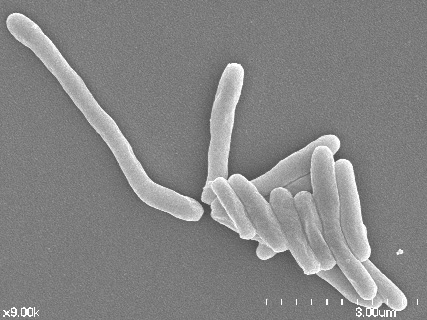 Dormant Mycobacterium Tuberculosis
Mycobacterium tuberculosis, which requires oxygen to multiply, enters a dormant state under hypoxic conditions (Figure).In the body, hypoxic or nutrient-deprived environments—such as inside cells or in areas where immune cells accumulate—induce dormancy.The surface of dormant bacteria appears smooth and healthy, but since they do not multiply, the division scars have disappeared (Figure).
Profile
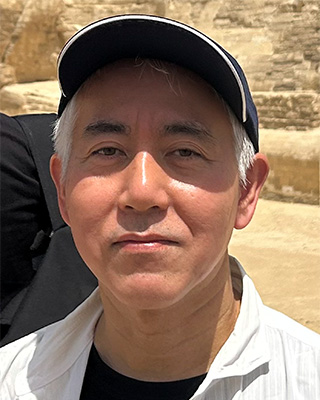
MATSUMOTO Sohkichi
Ph.D (Medicine, Dentistry). A native of Nagasaki Prefecture. His areas of expertise include research on the eradication of tuberculosis, mycobacterial diseases, and incurable diseases, as well as research exploring longevity through the phenomenon of bacterial dormancy. He is a visiting professor at Osaka Metropolitan University, Airlangga University, and Hokkaido University. He serves as chair of the Mycobacterial Diseases Panel of The U.S.-Japan Cooperative Medical Sciences Program.
*Article content and profile information are current as of May 2026.
Related Links
Tags (Keywords)
Publication
This article is also featured in Rikka, Niigata University’s quarterly public relations magazine, No.56.
Read other articles
-
 Faculty's Column (Early-Career) October 14, 2026
How Does Your Body Change With Breastfeeding? Looking Ahead to Women’s Long-Term Health
YAGYUUDA Noriko Assistant Professor, School of Health Sciences, Faculty of Medicine -
 Research (Rikka) September 29, 2026
Research on Local Ingredients: Aiming to Uncover Health Benefits and Quantify Flavor
YAMAGUCHI Tomoko Professor, Faculty of Education & Faculty of Agriculture -
 Faculty's Column (Early-Career) August 28, 2026
Understanding Human Movement from a Neuromuscular Perspective Using In Vivo Imaging
KUNIMASA Yoko Assistant Professor, Faculty of Education & Faculty of Engineering