
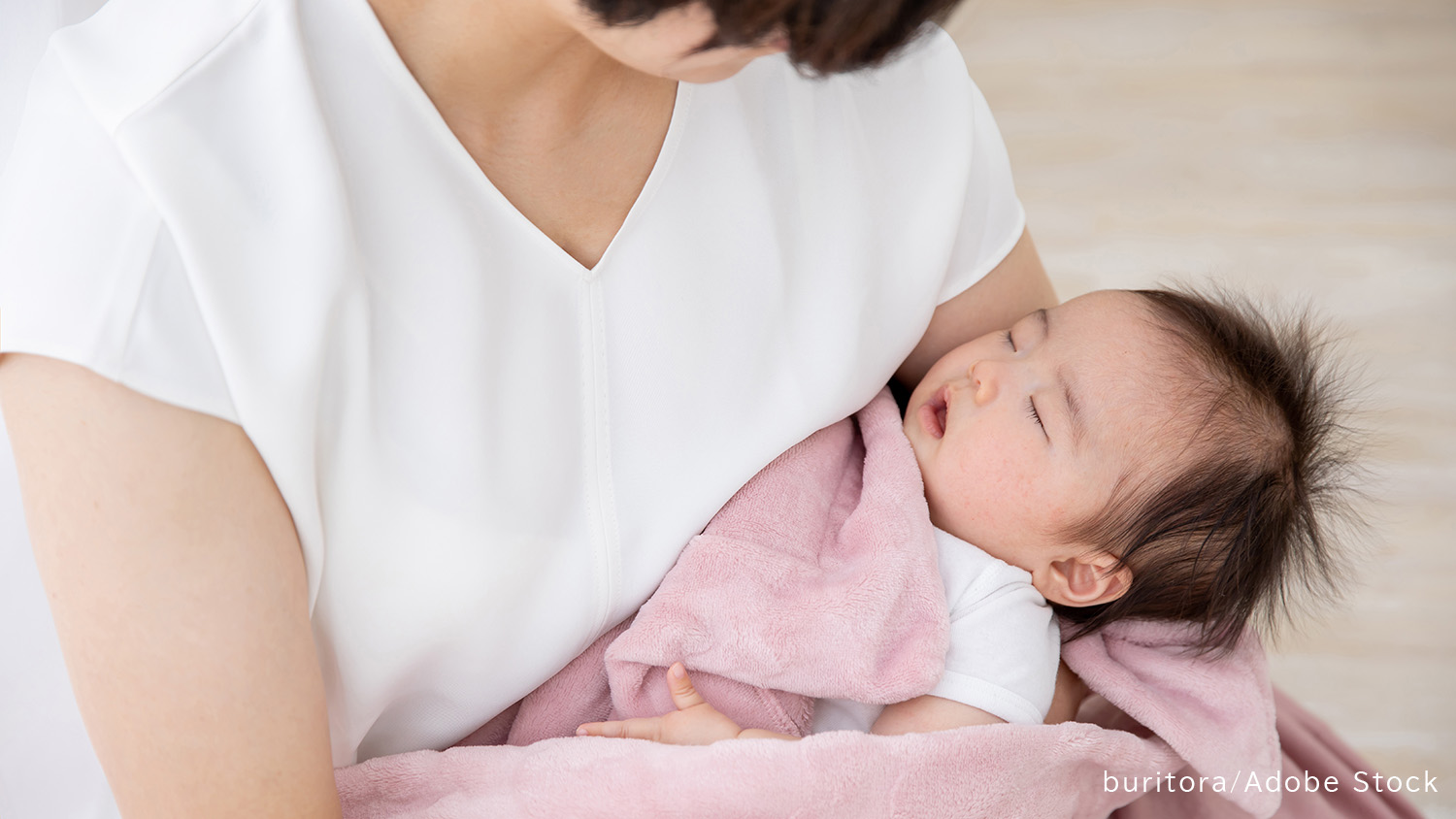
How Does Your Body Change With Breastfeeding? Looking Ahead to Women’s Long-Term Health
How Does a Mother's Body Change During Breastfeeding?
“For some reason, breastfeeding my baby makes me feel tired” is a statement that has come up in both my clinical experience as a midwife and my personal experience raising children. I began to wonder if changes in the mother’s blood sugar levels during breastfeeding could be related to that feeling of fatigue. That became the starting point for my research. Breastfeeding is said to require about 500 kcal of energy per day. Furthermore, glucose from the mother’s bloodstream is used to produce breast milk. So, what exactly happens to the mother’s glucose levels at the very moment the baby is nursing?
Therefore, I am using a continuous glucose monitor to investigate how glucose levels change from before, immediately after, and 30 minutes after breastfeeding. As I began my research, I observed that glucose levels gradually decrease from before breastfeeding through to after breastfeeding. While several studies have been conducted on the relationship between breastfeeding and blood glucose levels, the short-term changes in glucose levels from before to after breastfeeding have not yet been fully made clear. If breastfeeding causes glucose levels to drop, it is possible that breastfeeding itself has a natural blood-glucose-lowering effect on the mother. On the other hand, the postpartum period is a constant series of exhausting challenges for mothers—not only breastfeeding but also the unfamiliar demands of childcare and sleep deprivation. It is not yet fully understood how the energy expenditure and changes in glucose levels associated with breastfeeding affect the bodies of mothers in this postpartum state. Clarifying these points will not only help us understand the health benefits for the mother but also lead to considerations regarding appropriate supplemental feeding (both content and quantity) during breastfeeding.
When it comes to breastfeeding, attention tends to focus on the benefits for the baby, but I believe we need to pay more attention to the mother, who is the one providing the breast milk. Previous studies have reported that breastfeeding is associated with postpartum weight loss in mothers, as well as a reduced risk of chronic diseases such as diabetes and cardiovascular disease later in life, and even a lower risk of certain cancers specific to women. In other words, breastfeeding is not just about raising a baby; it is also linked to the mother’s own long-term health. That is precisely why, rather than simply saying, “You should breastfeed,” I believe that scientifically clarifying what happens to a mother’s body through breastfeeding can serve as one piece of information to help each woman make the choice that is right for her.
Starting Before Becoming Pregnant, Not After
When considering women’s health, my focus extends even further to the period “before” pregnancy and childbirth. A woman’s health during pregnancy is not something that is suddenly established once she becomes pregnant. How she grew up from childhood, how she went through puberty, and the state of her health when she becomes pregnant—this long-term continuity, or her life course, extends seamlessly into her health during pregnancy, through childbirth, and on to the child she gives birth to. That is why I am currently conducting research on how pre-pregnancy Body Mass Index (BMI) relates to perinatal outcomes, and whether birth size is associated with adolescent health, such as the age at menarche. Measuring maternal glucose levels during breastfeeding and studying adolescent health may seem like separate areas of research at first glance. For me, however, both stem from a single interest of wanting to consider women’s bodies not just at a single point in time, but within the context of the course of their lives.
Before Pregnancy, During Pregnancy, and After Birth
It all began with observing the physical changes that occur during breastfeeding. By keeping an eye on women’s overall health, I hope to continue conducting research that helps women understand their bodies and live healthier lives.
Profile
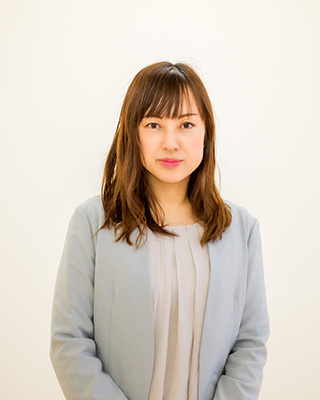
YAGYUUDA Noriko
MA (Health Sciences). Specializes in maternal nursing and midwifery. After completing the Master’s program at the Graduate School of Health Sciences, Niigata University, she worked as a midwife at the Comprehensive Perinatal and Maternal and Child Medical Center and as a nurse in the Department of Internal Medicine. Based on this clinical experience, she has developed an interest in pregnancy, childbirth, and breastfeeding among women with medical conditions. Since 2020, she has served as an assistant professor in the Department of Nursing, School of Health Sciences, Niigata University Faculty of Medicine.
*Article content and profile information are current as of September 2026.
Tags (Keywords)
Read other articles
-
 Research (Rikka) September 29, 2026
Research on Local Ingredients: Aiming to Uncover Health Benefits and Quantify Flavor
YAMAGUCHI Tomoko Professor, Faculty of Education & Faculty of Agriculture -
 Faculty's Column (Rikka) September 29, 2026
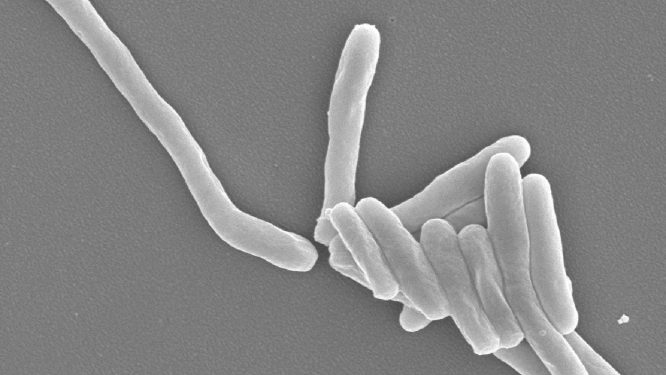
Mycobacterium Tuberculosis: Humanity’s Number 1 Killer both Past and Present
MATSUMOTO Sohkichi Professor, Graduate School of Medicine, Dentistry, and Health Sciences -
 Faculty's Column (Early-Career) August 28, 2026
Understanding Human Movement from a Neuromuscular Perspective Using In Vivo Imaging
KUNIMASA Yoko Assistant Professor, Faculty of Education & Faculty of Engineering