
Degradation of immune molecule HLA class II after pneumococcal infection - Development of novel pneumonia treatments
February 03, 2021
A research team led by Associate Professor Hisanori Domon and Professor Yutaka Terao of the Division of Microbiology and Infectious Diseases, Niigata University Graduate School of Medical and Dental Sciences revealed the mechanism by which the immune system declines in patients with bacterial pneumonia. The results of the research may facilitate the development of pneumonia treatments.
The results were published online in the British scientific journal Scientific Reports on January 28, 2021, 19:00 (JST).
Key results of the research
- Many neutrophils accumulate in lung tissue after infection with Streptococcus pneumoniae.
- Subsequently, Streptococcus pneumoniae destroys neutrophils, resulting in leakage of elastase from cells.
- Elastase degrades HLA class II molecules critical for immunity.
- Elastase may attenuate immunity and aggravate pneumonia by degrading HLA class II immune molecules.
Publication Details
Title: Proteolytic cleavage of HLA class II by human neutrophil elastase in pneumococcal pneumonia
Journal: Scientific Reports
Authors: Hisanori Domon, Tomoki Maekawa, Toshihito Isono, Kazuyuki Furuta, Chikara Kaito, Yutaka Terao
DOI: 10.1038/s41598-021-82212-5
More News
-

Mapping Potential Conflict Zones Between Offshore Wind Development and Little Terns Across Japan: A New Spatial Screening Framework to Support Environmental Impact Assessment
Research results
-
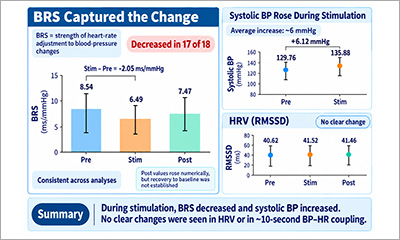
A New Clue for Assessing the Body’s Response to Mild Electrical Stimulation of the Ear: Changes in Heart Rate Regulation Observed in 17 of 18 Participants
Research results
-
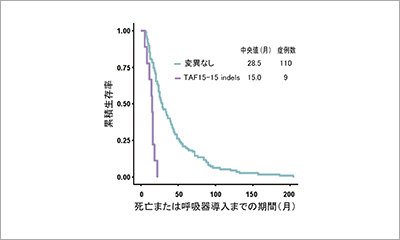
Insertion or deletion variants in TAF15 exon 15 are genetic factors impacting the prognosis of amyotrophic lateral sclerosis in a Japanese cohort
Research results
-
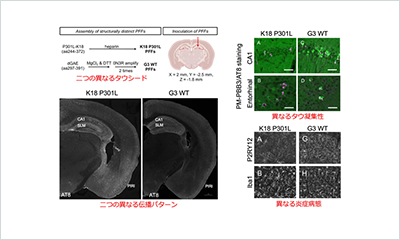
Distinct recombinant tau fibril conformations induce divergent propagation and neurodegenerative phenotypes in a model mouse
Research results