
High mutation rates in humans infected with Beijing lineage of Mycobacterium tuberculosis in 10-year infection surveillance and genome analysis
November 18, 2020
The Beijing lineage of Mycobacterium tuberculosis, commonly found in East Asia, poses problems because of its higher pathogenicity and drug resistance than other lineages of Mycobacterium tuberculosis. Doctor Mariko Hakamata (Ph.D. course student) of the Department of Bacteriology and Department of Respiratory Medicine and Infectious Diseases, Professor Toshiaki Kikuchi of the Department of Respiratory Medicine and Infectious Diseases, Researcher Hayato Takihara and Associate Professor Shujiro Okuda of the Department of Bioinformatics, and Professor Sohkichi Matsumoto of the Department of Bacteriology, Niigata University Graduate School of Medical and Dental Sciences collaborated with Tomotada Iwamoto (Ph.D. researcher) of the Kobe Institute of Health and Aki Tamaru (Ph.D. researcher) of the Osaka Institute of Public Health, demonstrating high genomic mutation rates, which may be responsible for the high pathogenicity and drug resistance, in humans infected with the Beijing lineage of Mycobacterium tuberculosis. Also, they revealed many oxidative stress-dependent mutations during latent infection.
The frequent genomic mutations may explain the high adaptability and drug resistance of the Beijing lineage of Mycobacterium tuberculosis. The results of the present study provide important information for future measures, such as lineage-specific tuberculosis control.
Publication Details
Title: Higher genome mutation rates of Beijing lineage of Mycobacterium tuberculosis during human infection
Journal: Scientific Reports
Authors: Mariko Hakamata, Hayato Takihara, Tomotada Iwamoto, Aki Tamaru, Atsushi Hashimoto, Takahiro Tanaka, Shaban A. Kaboso, Gebremichal Gebretsadik, Aleksandr Ilinov, Akira Yokoyama, Yuriko Ozeki, Akihito Nishiyama, Yoshitaka Tateishi, Hiroshi Moro, Toshiaki Kikuchi, Shujiro Okuda & Sohkichi Matsumoto
DOI: 10.1038/s41598-020-75028-2
More News
-
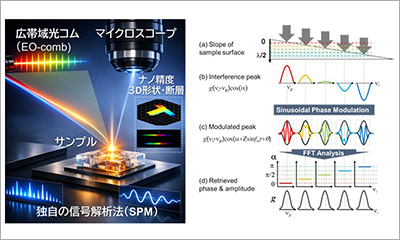
New 3D Measurement Technology Developed to Capture Even the Slightest Movements of Biological Tissue Using an Optical Comb: Advances in Medical and Industrial Applications Through Nano-Displacement Detection and High-Speed Tomographic Imaging
Research results
-
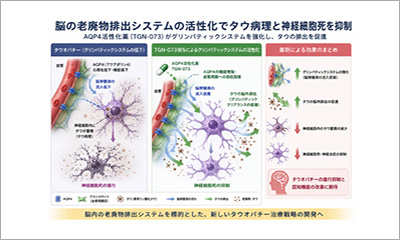
AQP4-dependent enhancement of glymphatic function attenuates tau pathology and neurodegeneration in PS19 mice
Research results
-
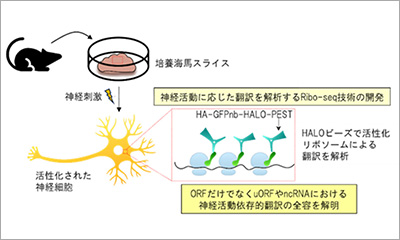
Activity-dependent ribosome profiling reveals the landscape of canonical and non-canonical translation in brain tissue
Research results
-

Can Organic Molecules Survive a Supernova Explosion?— First Detection of Hot Cores in a Supernova Remnant —
Research results