
Identification of a new target for the treatment of endometrial cancer: Growth of endometrial cancer stem cells suppressed by aldehyde dehydrogenase inhibitors, known as anti-alcoholism drugs, as well as glucose uptake inhibitors
October 09, 2019
A team of researchers at Department of Obstetrics and Gynecology, Niigata University Graduate School of Medical and Dental Sciences, led by Professor Takayuki Enomoto and Assistant Professor Tatsuya Ishiguro successfully cultivated endometrial cancer stem cells in vitro in collaboration with Professor Tohru Minamino at Department of Cardiovascular Biology and Medicine, Dr. Koji Okamoto, Chief of Division of Cancer Differentiation, National Cancer Center Research Institute, among others. It was demonstrated that aldehyde dehydrogenase inhibitors and glucose uptake inhibitors synergized with paclitaxel to suppress the growth of endometrial cancer cells.
The results of this study were published in Stem Cell Reports, a scientific journal published by Cell Press, and made the cover of the journal.
Cell Press: Stem Cell Reports Volume 13, Issue 4, p573-776, October 08, 2019
Publication Details
Title: ALDH-Dependent Glycolytic Activation Mediates Stemness and Paclitaxel Resistance in Patient-Derived Spheroid Models of Uterine Endometrial Cancer
Journal: Stem Cell Reports
Authors: Yutaro Mori, Kaoru Yamawaki, Tatsuya Ishiguro, Kosuke Yoshihara, Haruka Ueda, Ai Sato, Hirokazu Ohata, Yohko Yoshida, Tohru Minamino, Koji Okamoto, and Takayuki Enomoto
DOI: 10.1016/j.stemcr.2019.08.015
More News
-

Mapping Potential Conflict Zones Between Offshore Wind Development and Little Terns Across Japan: A New Spatial Screening Framework to Support Environmental Impact Assessment
Research results
-
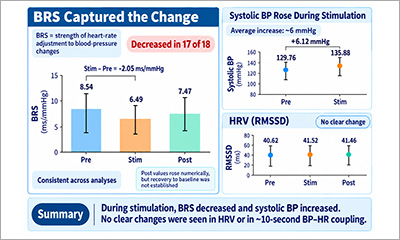
A New Clue for Assessing the Body’s Response to Mild Electrical Stimulation of the Ear: Changes in Heart Rate Regulation Observed in 17 of 18 Participants
Research results
-
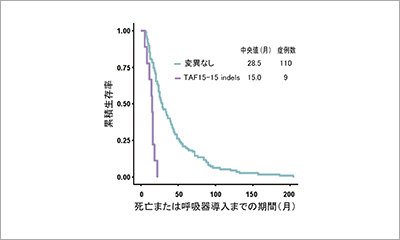
Insertion or deletion variants in TAF15 exon 15 are genetic factors impacting the prognosis of amyotrophic lateral sclerosis in a Japanese cohort
Research results
-
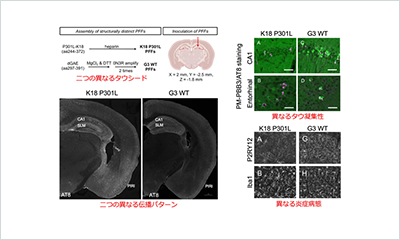
Distinct recombinant tau fibril conformations induce divergent propagation and neurodegenerative phenotypes in a model mouse
Research results